Hyoho
A traditional Japanese martial art passed down for nearly 400 years, from the early Edo period to the present day.
More than the art of drawing the sword総合武術としての兵法
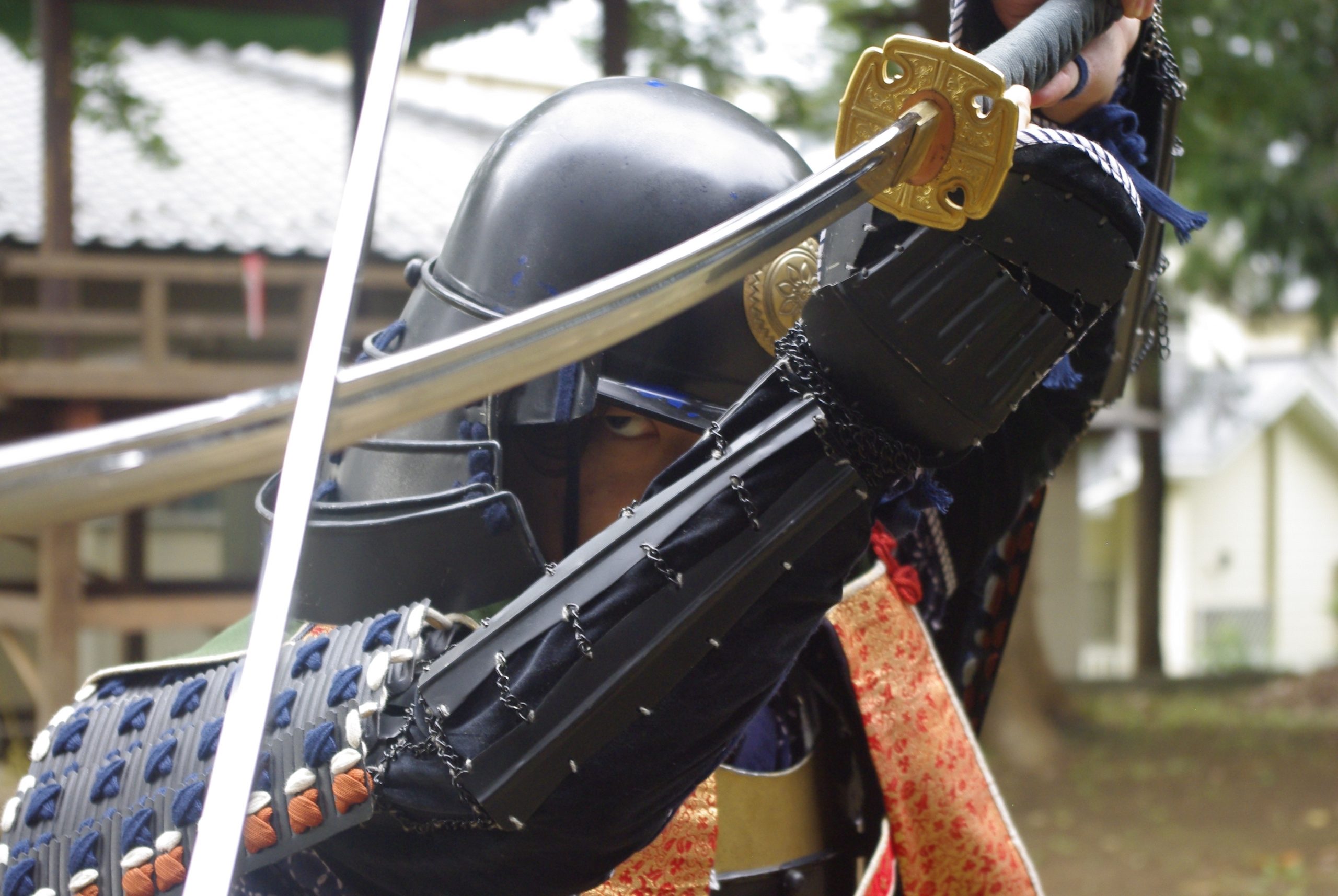
Tenshinryu is a school of Hyōhō (兵法) — a comprehensive martial tradition. Swordsmanship and the art of drawing the sword are at its core, but it also preserves the short sword, spear, glaive, chain, grappling and throwing blades as one consistent system.
Just as important are the parts you cannot see in a video: how a samurai sat, stood, bowed and placed his sword, and why. Tenshinryu passes on the etiquette and everyday conduct of the samurai — lying down, waking up, sitting, standing, walking and running — together with its techniques.
KenjutsuThe art of the sword, practised in paired kata
BattōjutsuThe art of drawing the sword, standing and seated
KodachiThe short sword, always worn in training
Zahō & OkigatanaTechniques from the seated position and from a sword placed beside you
WeaponsSpear, cross-shaped spear, glaive, chain sickle and chain
Reihō & HyōhōSamurai etiquette, and the knowledge of tactics and duties
A sword for keeping the peace寛永年間の創流
Tenshinryu was founded in the Kan’ei era (1624–1644) by Tokizawa Yahei (時沢弥平), who served Yagyu Munenori, sword instructor to the Tokugawa shoguns.
According to the school’s tradition, it was devised for the Kōgan (光願, “wish for light”) — a group of warriors under Munenori who supported the shogunate from the shadows so that peace would last. Its central ideal is Katsujinken (活人剣), the sword that gives life.
We distinguish carefully between what the school has passed down orally and what can be confirmed in historical records. An eighteenth-century record, Gekken Sōdan (撃剣叢談), already describes Tenshinryu as a line begun by a student of Munenori named Tokizawa.
Passed from teacher to student伝系
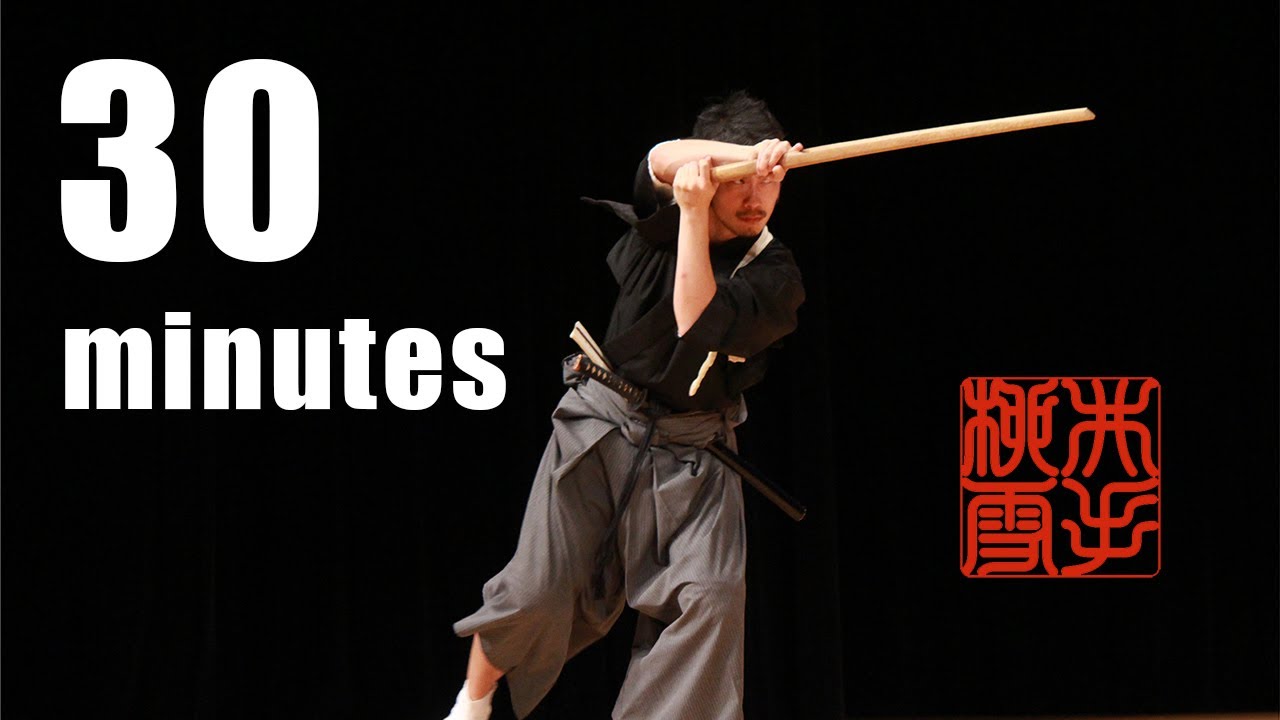
This is Tenshinryu演武
In Japan and around the world活動
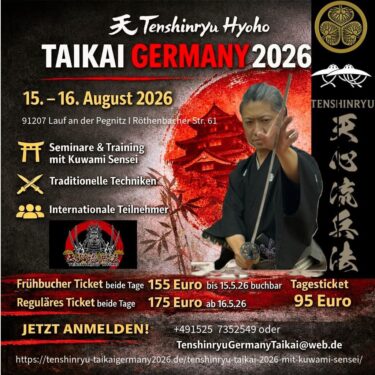
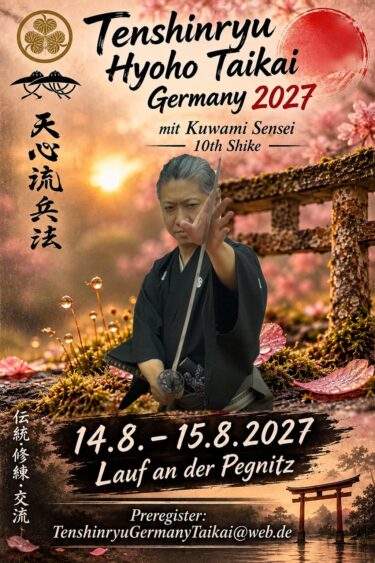
- 14–15 Aug Germany
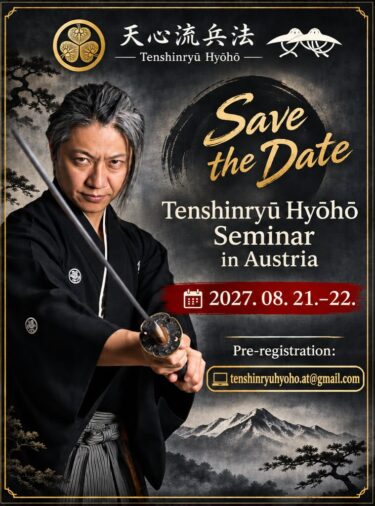
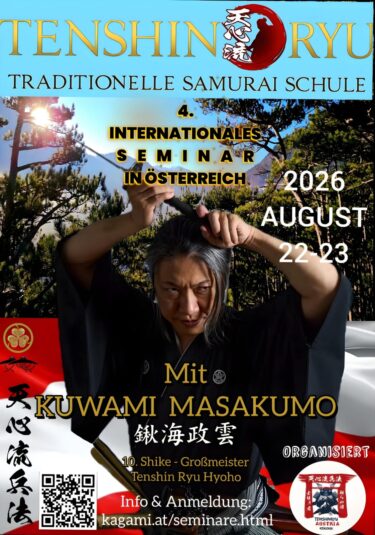
- 21–22 Aug Austria
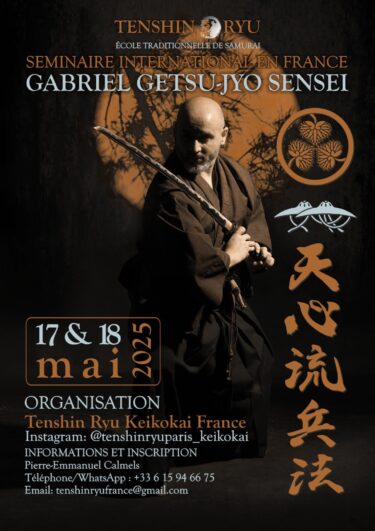
Seminars with the Shike of Tenshinryu. Registration details to follow.
Tenshinryu dedicates demonstrations (hōnō embu) at Yasukuni Shrine and before the graves of the Shōgitai in Ueno, Tokyo. According to the school’s tradition, some of those who preserved Tenshinryu joined this samurai corps at the end of the Edo period.
Etiquette, swords, language and the everyday life of the samurai — essays in English on what lies behind the techniques.
Tradition is immutable, growth is infinite.
No dojo near you? You can begin online, or invite an instructor to your region.